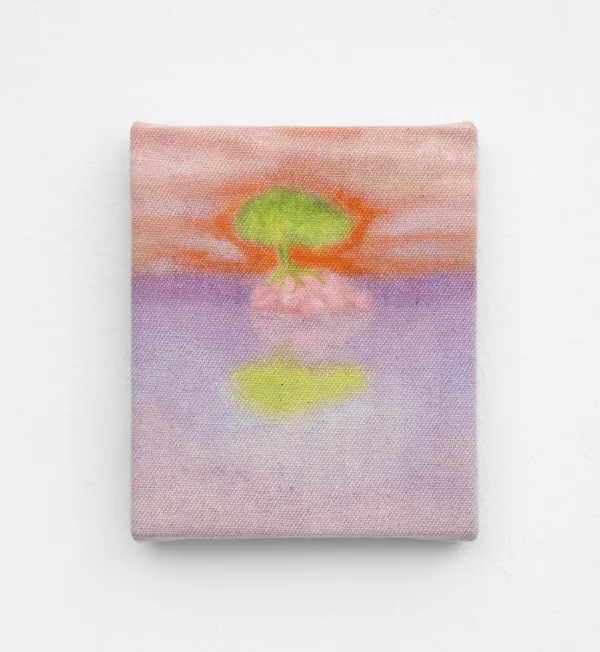
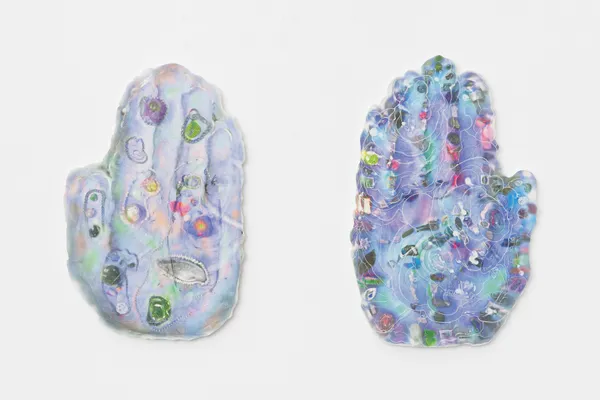
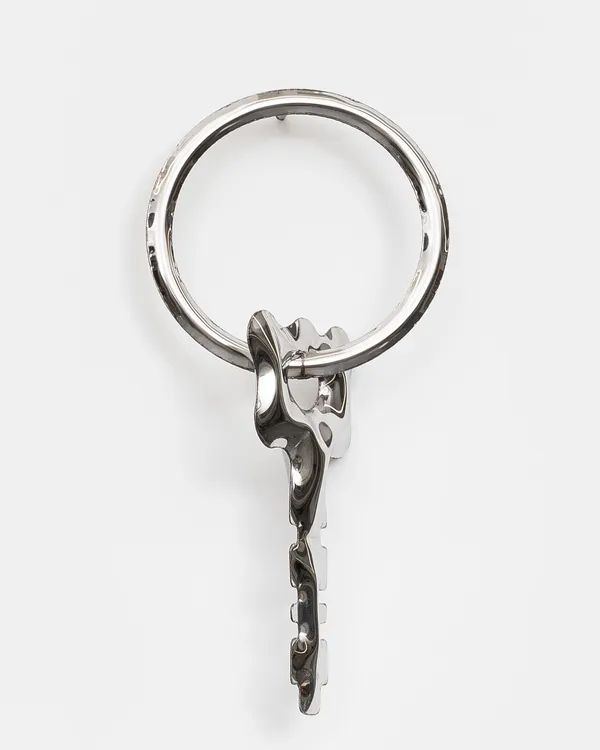
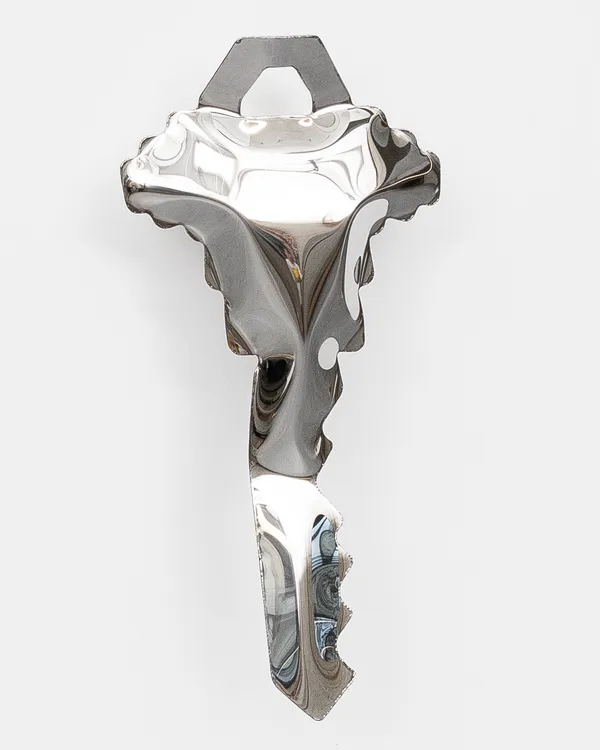
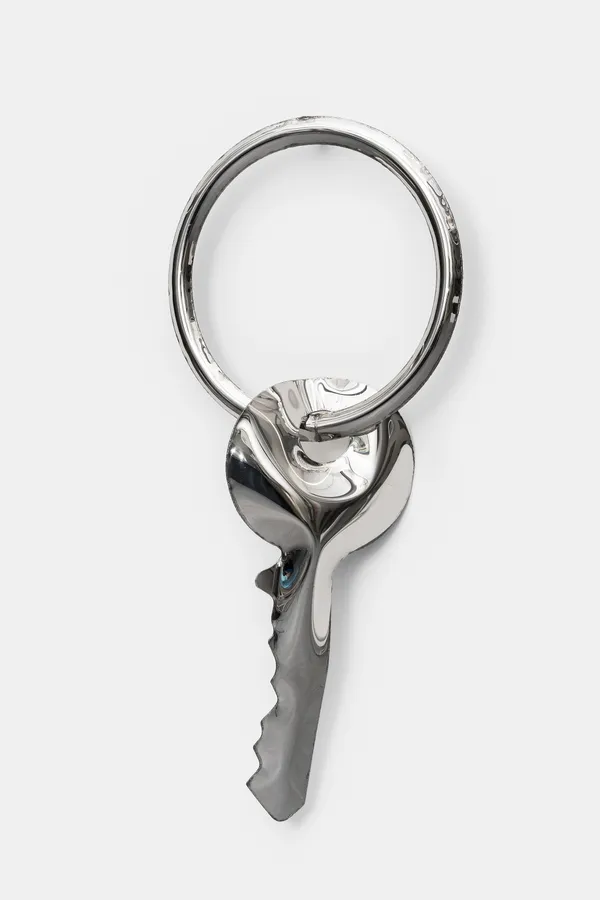
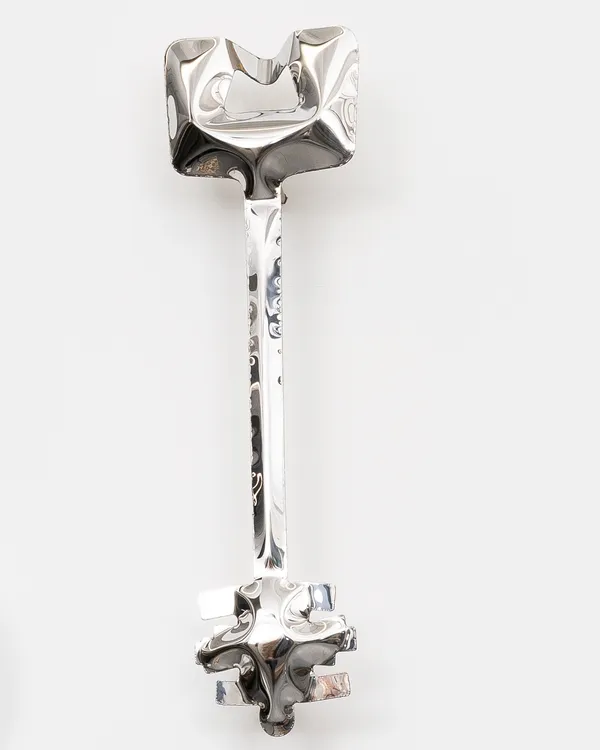
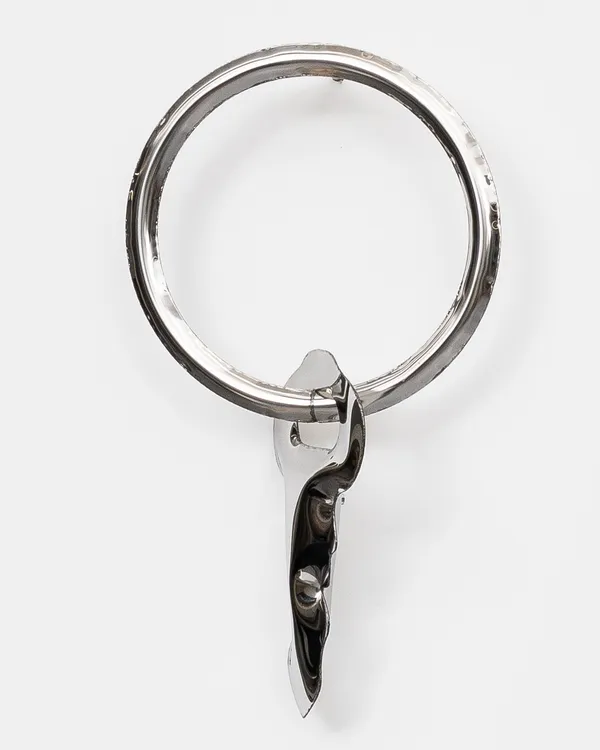
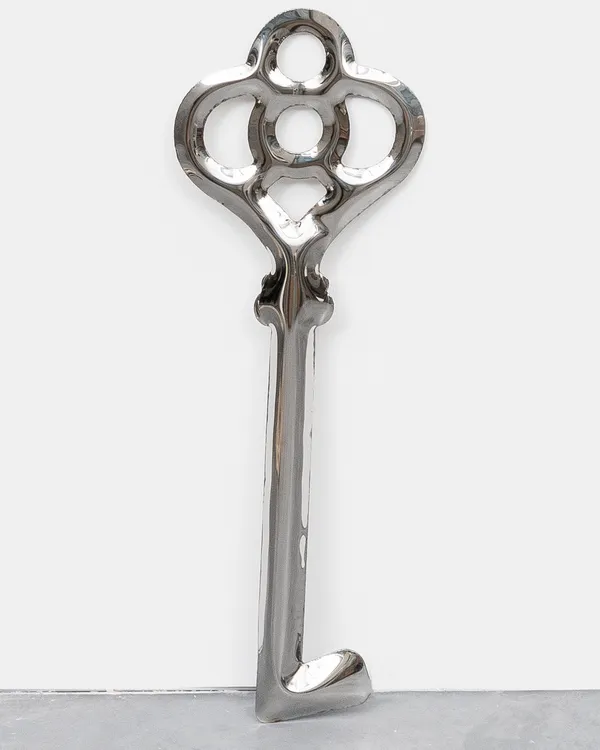
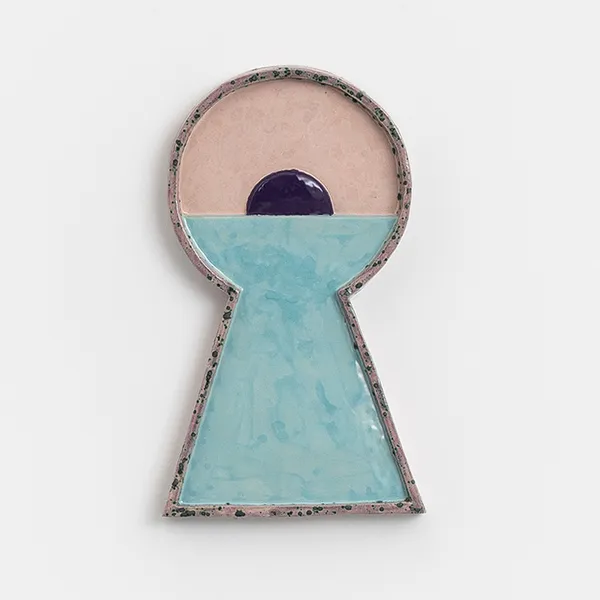
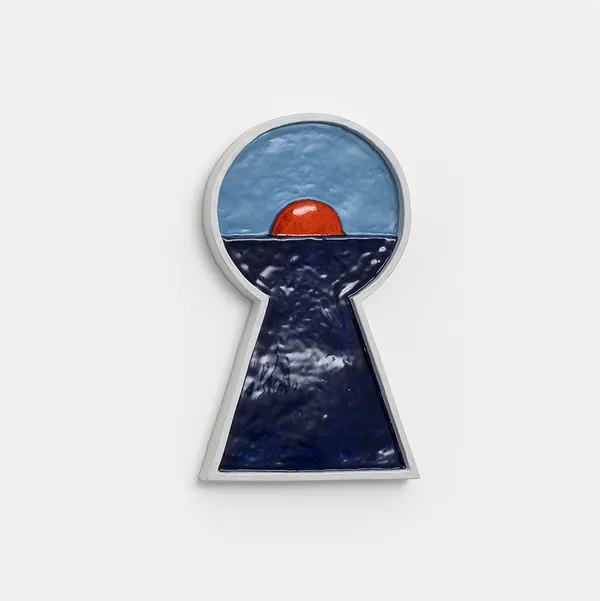
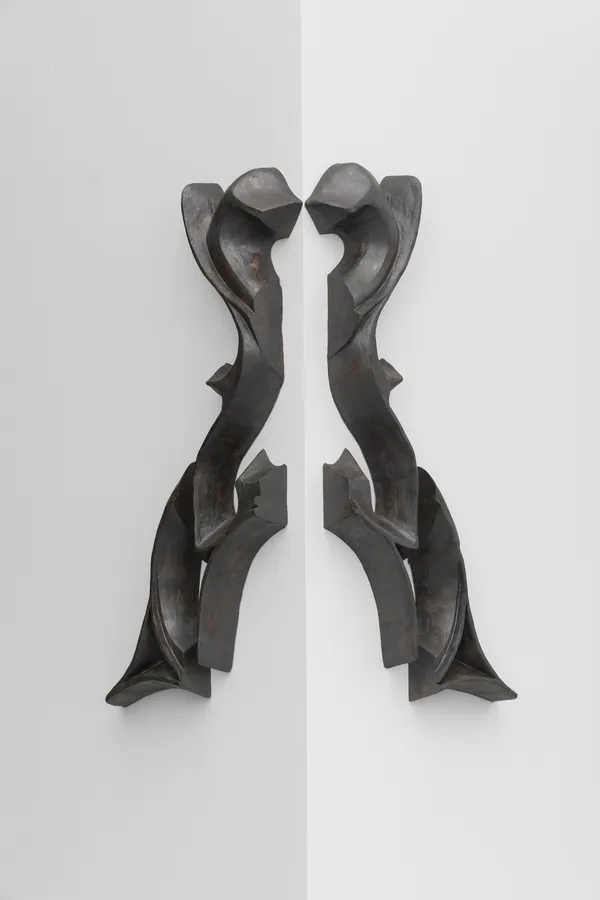
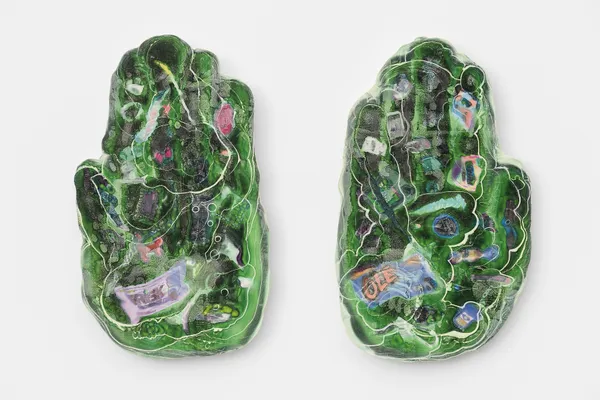
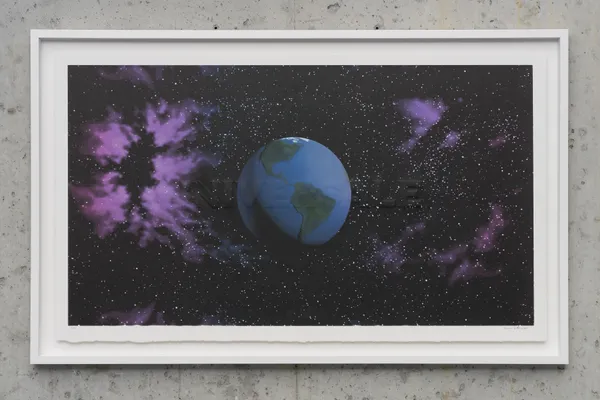
"La Propriété", commissioned by Léo Luccioni: Brussels
Deborah Bowmann, Antoine Carbonne, Marlies De Clerck, Victor Delestre, Hugo Janin, Audrey Jonchères, Alizée Loubet, Léo Luccioni, Willie Morlon, Yemo Park, Paola Siri Renard, Guillaume Smets, Boris Tzvetkov, Sophie Varin, Walter Wathieu, Romain Zacchi
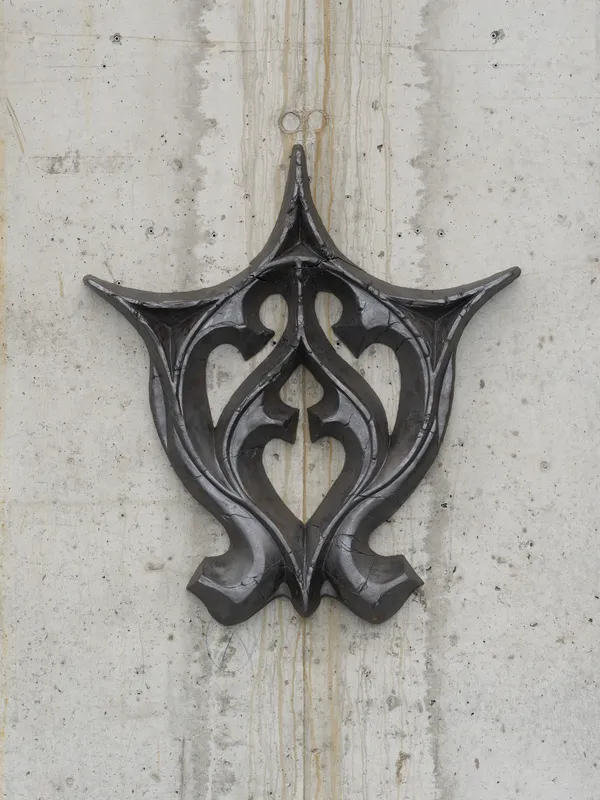
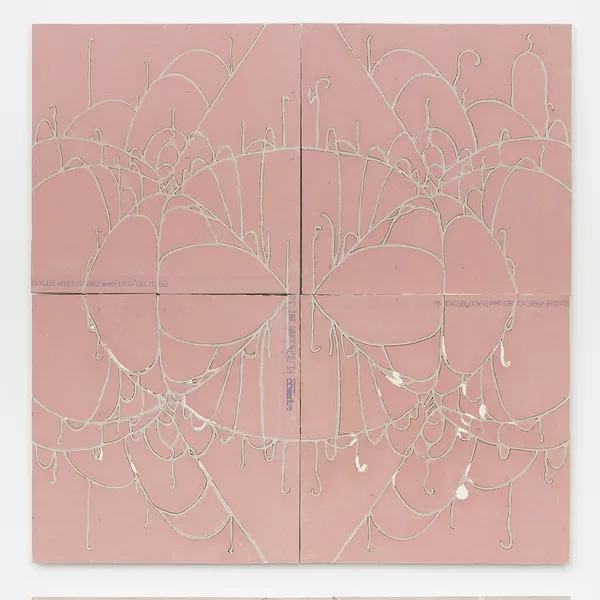
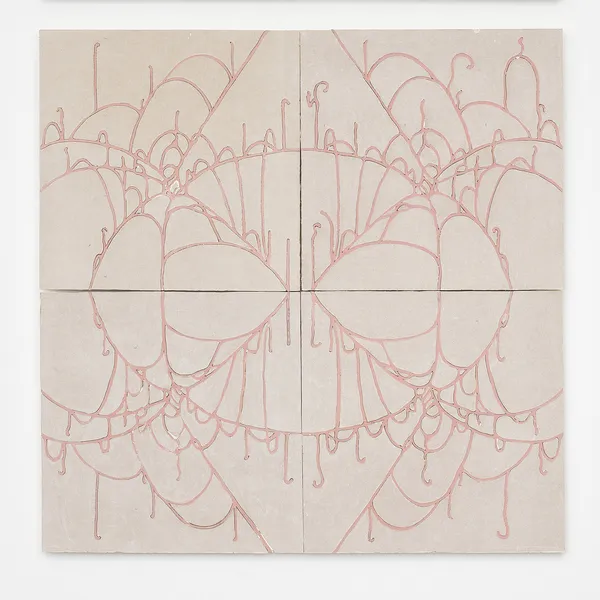
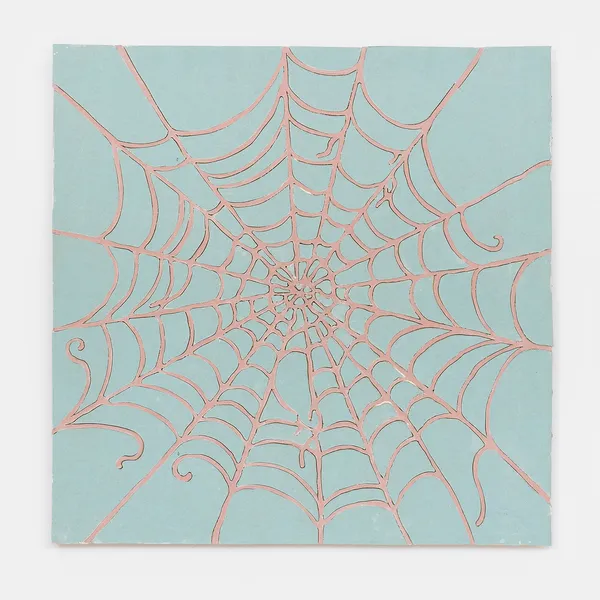
La Propriété is a collective exhibition initiated by Léo Luccioni, based on long-term proximity, with artists who have shared a collective studio for several years.
Each work begins from something already present in an artist’s practice, considered as their property: a form, a technique, an aesthetic, a gesture, or an idea. A proposal is then submitted to each artist, and its development takes a different shape in each collaboration: commissioner, assistant, technician, or partner.
What happens when this property is handled by someone else?
“Property is theft” — Pierre-Joseph Proudhon
An artist does not create from nothing. Every artist works within a field already occupied by forms, techniques, and materials that circulated before them. To create is to take what exists and transform it. Faced with an art history in which forms circulate freely, doesn’t this make the very idea of artistic property fragile?
Yet the art system relies on this claim. Gestures attach themselves to names. Practices are expected to stabilize, to become recognizable and identifiable. At what point does repetition become a signature? When does a practice become territory? And when does that territory restrict the artist?
Reproduction does not only affirm. It also traces tacit boundaries. What emerges from a shared field begins to belong to an individual. This attachment is rarely declared, but it regulates what can be pursued, extended, or reused.
Each work performs a double operation. It discovers both a possibility and a restriction. Even the simple sharing of an idea renders it partially unavailable. To formulate an idea is already, in a certain way, to occupy it.
In a shared studio, these questions are lived fully. Proximity makes handling each other’s work a delicate matter. Working side by side, observing each other’s practices, supporting one another’s development, occupying the same space without owning it: all of this reveals limits. Intimacy does not dissolve boundaries. It makes them visible.
The more one knows, the less one can do; what remains are the moments when boundaries are not yet formed. Before they settle, before they are learned, when forms can still be borrowed, diverted, extended, and transformed without asking who
they belong to.
The exhibition begins from these accumulated properties but does not treat them as fixed. Each collaboration enters them, shifts them, extends them. The aim is not to erase authorship, but to put it under pressure. What happens when this property is shared? When it is questioned and set in circulation?
Property is never permanent